Body Treatments
Redefine Your Body with Expert Plastic Surgery
Our body plastic surgery services are designed to enhance your natural contours, remove excess skin and fat, and restore confidence. We offer procedures such as arm lifts to tighten sagging upper arms, thigh lifts to sculpt and firm the legs, liposuction to remove stubborn fat deposits, and tummy tucks to flatten and tone the abdominal area. These treatments are ideal for individuals experiencing changes due to aging, significant weight loss, post-pregnancy body concerns, or genetic factors. Benefits include improved body shape, tighter skin, better fit in clothing, and a boost in self-esteem—all performed with advanced techniques and personalized care by our expert surgeon.
Arm Lift
Indications for an Arm Lift
- Excess Skin and Fat: Significant sagging or loose skin and excess fat in the upper arms that doesn’t improve with diet and exercise.
- Post-Bariatric Surgery: After substantial weight loss, the upper arms may have excess skin that can be removed to improve contour.
- Aging: As skin loses elasticity with age, a surgical procedure may be needed to address loose skin and fat in the arm area.
- Genetic Factors: Some individuals may have naturally loose skin or excess fat in their upper arms due to genetic factors.
- Improved Contour: To enhance the shape and proportion of the upper arms for a more toned and youthful appearance.
Benefits of an Arm Lift
- Improved Arm Contour: Provides a more sculpted and toned appearance to the upper arms by removing excess skin and fat.
- Enhanced Skin Tightness: Tightens loose, sagging skin, leading to a smoother and firmer arm appearance.
- Increased Confidence: Many patients experience a boost in self-esteem and body image after achieving a more aesthetically pleasing arm contour.
- Better Clothing Fit: Improved arm shape can enhance the fit of clothing, particularly sleeveless or short-sleeved garments.
- Potential Relief from Skin Issues: Removing excess skin can reduce irritation, rashes, or infections that might occur due to skin folds.
- Complementary to Weight Loss: Ideal for individuals who have lost a significant amount of weight and have excess skin despite achieving a stable weight.
Thigh Lift
Indications for a Thigh Lift
- Excess Skin and Fat: Significant loose or sagging skin and excess fat in the thigh area that does not respond well to diet and exercise.
- Post-Bariatric Surgery: After substantial weight loss, the thighs may have excess skin and fat that can be addressed with a thigh lift.
- Aging: As skin loses elasticity with age, a thigh lift can help tighten and smooth the skin.
- Genetic Factors: Some individuals may have naturally loose or excess skin in the thigh area due to genetic factors.
- Improved Body Contour: To enhance the shape and contour of the thighs for a more balanced and proportionate appearance.
Benefits of a Thigh Lift
- Improved Contour: Provides a more sculpted and toned appearance to the thighs by removing excess skin and fat.
- Enhanced Skin Tightness: Tightens loose, sagging skin, leading to a smoother and firmer thigh area.
- Increased Confidence: Many patients experience a boost in self-esteem and body image after achieving a more aesthetically pleasing thigh contour.
- Better Clothing Fit: Improved thigh shape can enhance the fit and appearance of clothing, particularly in shorts and swimwear.
- Potential Relief from Skin Issues: Removing excess skin can reduce skin irritation and rashes that may occur from friction.
- Complementary to Weight Loss: Ideal for individuals who have lost a significant amount of weight and are left with excess skin despite reaching a stable weight.
Liposuction
Indications for Liposuction
- Localized Fat Deposits: Areas with stubborn fat deposits that do not respond to diet and exercise. Common areas include the abdomen, thighs, hips, buttocks, arms, and chin.
- Body Contouring: To refine and sculpt specific areas of the body to achieve a more proportionate and aesthetically pleasing figure.
- Uneven Fat Distribution: To address asymmetries or uneven fat distribution that may affect the body’s overall appearance.
- Post-Bariatric Surgery: After significant weight loss, liposuction can help remove excess fat in areas that may still have unwanted fat deposits.
- Genetic Fat Patterns: Areas where fat deposits are due to genetic factors, even in individuals who maintain a healthy weight and active lifestyle.
Benefits of Liposuction
- Targeted Fat Removal: Effectively removes localized fat deposits that are resistant to diet and exercise.
- Improved Body Contour: Enhances the shape and proportion of the body by sculpting specific areas.
- Boosted Self-Esteem: Many people experience increased confidence and improved body image after the procedure.
- Minimal Scarring: Incisions are small and typically placed in discreet locations, resulting in minimal visible scarring.
- Quick Recovery: Recovery time is generally shorter compared to more invasive procedures. Most people can return to normal activities within a few days to a week.
- Complementary to Other Procedures: Can be combined with other cosmetic procedures, such as a tummy tuck or breast surgery, for comprehensive body contouring.
Tummy Tuck
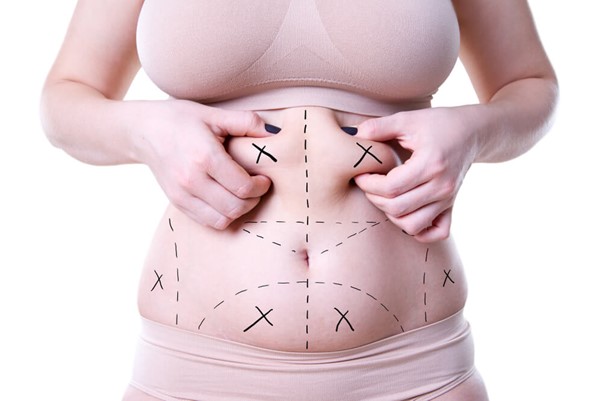
A tummy tuck, or abdominoplasty, is a cosmetic surgical procedure designed to improve the appearance of the abdomen. Here are some common indications and benefits associated with the procedure:
Indications for a Tummy Tuck
- Excess Skin and Fat: Significant loose or sagging skin and excess fat in the abdominal area that has not responded well to diet and exercise.
- Post-Pregnancy Changes: Abdominal muscles and skin that have been stretched and weakened after pregnancy, which may not return to their pre-pregnancy state despite postpartum weight loss and exercise.
- Significant Weight Loss: Individuals who have lost a substantial amount of weight and are left with excess skin and fat that does not tighten naturally.
- Abdominal Muscle Weakness: Diastasis recti, where the abdominal muscles have separated and become weak, leading to a bulging or protruding abdomen.
- Unresolved Cosmetic Concerns: A desire to achieve a flatter, more toned abdominal appearance that has not been possible through non-surgical methods.
Benefits of a Tummy Tuck
- Improved Abdominal Contour: The procedure can provide a flatter, smoother, and more toned appearance to the abdomen by removing excess skin and fat.
- Enhanced Muscle Tone: Abdominal muscles can be tightened and repaired, improving muscle tone and strength in the area.
- Reduced Skin Laxity: Excess, loose skin that hangs from the abdomen can be removed, which can also alleviate issues with skin irritation and rashes in the area.
- Better Posture: Strengthening the abdominal muscles can lead to improved posture, as the core muscles play a crucial role in supporting the spine.
- Increased Confidence: Many people experience a boost in self-esteem and body image, feeling more comfortable and confident in their appearance.
- Potential for Improved Health: In some cases, removing excess abdominal skin and fat may lead to improved overall health, particularly if it addresses underlying issues related to weight or skin problems.
Important Considerations
- Not a Weight Loss Solution: A tummy tuck is not a substitute for weight loss. It is best suited for individuals who are at or near their ideal weight.
- Recovery Time: There is a recovery period following the procedure, which includes managing swelling, avoiding strenuous activities, and following post-operative care instructions.
- Scarring: The procedure involves making incisions, which result in scarring. However, the scars are usually placed in locations where they can be concealed by clothing.
- Individual Variability: Results can vary depending on individual factors such as skin elasticity, body type, and overall health.
FAQs
Arm Lift
What is an arm lift?
An arm lift, or brachioplasty, is a cosmetic surgical procedure designed to remove excess skin and fat from the upper arms and to tighten the remaining skin. The goal is to create a more toned and aesthetically pleasing arm contour.
How is an arm lift performed?
The procedure is typically performed under general anesthesia. The surgeon makes an incision along the inner side of the upper arm, removes excess skin and fat, and then tightens and repositions the remaining skin. The incisions are closed with sutures.
What are the different types of arm lifts?
- Traditional Arm Lift: Involves an incision along the inner arm from the elbow to the armpit, which allows for significant skin and fat removal.
- Limited Arm Lift: Features a shorter incision and is usually suitable for patients with less excess skin and fat.
Who is a good candidate for an arm lift?
Good candidates typically:
- Have excess skin and/or fat in the upper arms that does not improve with non-surgical methods.
- Are at a stable weight and have realistic expectations about the outcomes.
- Have good overall health and skin elasticity.
- Are committed to maintaining a healthy lifestyle and stable weight.
How long does it take to recover?
Recovery time is generally quick, with most patients able to resume normal activities immediately. The treated area may be red and slightly tender for a few days.
What should I expect during the recovery period?
- Swelling and Bruising: Common and usually resolves within a few weeks.
- Compression Garments: You will need to wear compression garments to support healing and reduce swelling.
- Pain and Discomfort: Manageable with prescribed pain medications and over-the-counter pain relievers.
- Activity Restrictions: Avoid strenuous activities and follow specific post-operative care instructions.
How long does it take to recover from an arm lift?
- Initial Recovery: Most people take about 1 to 2 weeks off from work and normal activities. Swelling and bruising typically improve within a few weeks.
- Full Recovery: Complete healing and final results can take several months.
What are the potential risks and complications?
- Infection: Risk of infection at the incision site.
- Bleeding: Excessive bleeding or hematoma formation.
- Scarring: Scars are inevitable but are usually placed in discreet locations along the inner arm. Scarring will fade over time but may not disappear completely.
- Wound Healing Issues: Potential for delayed healing or complications with the incisions.
- Seroma: Fluid accumulation under the skin that may need to be drained.
How long do the results of an arm lift last?
Results are generally long-lasting as long as you maintain a stable weight and follow a healthy lifestyle. Significant weight fluctuations or future weight gain can affect the outcome.
Can an arm lift be combined with other procedures
Yes, an arm lift can be combined with other body contouring procedures such as a tummy tuck, thigh lift, or liposuction for comprehensive body enhancement.
Thigh Lift
What is a thigh lift?
A thigh lift, or thighplasty, is a cosmetic surgical procedure designed to remove excess skin and fat from the thighs and to tighten the remaining skin. It aims to improve the shape and contour of the thighs.
What are the different types of thigh lifts?
- Inner Thigh Lift: Focuses on removing excess skin and fat from the inner thigh area. Incisions are typically placed in the groin area.
- Outer Thigh Lift: Targets the outer thigh and hip area, often extending around the sides of the buttocks. Incisions are usually placed along the bikini line and around the back.
- Medial Thigh Lift: Involves an incision in the groin area and extending downward to remove excess skin and fat from the inner thigh.
Who is a good candidate for a thigh lift?
Good candidates generally:
- Have excess skin and/or fat in the thigh area that has not responded to non-surgical treatments.
- Are at a stable weight and have realistic expectations about the outcomes.
- Have good overall health and skin elasticity.
- Are committed to maintaining a healthy lifestyle and stable weight.
How is a thigh lift performed?
The procedure is typically performed under general anesthesia. The surgeon makes incisions in the targeted area, removes excess skin and fat, and tightens the remaining skin. The incisions are then closed with sutures.
What should I expect during the recovery period?
- Swelling and Bruising: Common and usually resolves within a few weeks.
- Compression Garments: You will need to wear compression garments to support the healing process and reduce swelling.
- Pain and Discomfort: Manageable with prescribed pain medications and over-the-counter pain relievers.
- Activity Restrictions: Avoid strenuous activities and follow specific post-operative care instructions.
How long does it take to recover from a thigh lift?
- Initial Recovery: Most people take about 2 to 4 weeks off from work and normal activities. Swelling and bruising may persist for several weeks.
- Full Recovery: Complete healing and final results can take several months.
What are the potential risks and complications?
- Infection: Risk of infection at the incision site.
- Bleeding: Excessive bleeding or hematoma formation.
- Scarring: Scars are inevitable but are usually placed in discreet locations. Scarring will fade over time but may not disappear completely.
- Wound Healing Issues: Potential for delayed healing or complications with the incisions.
- Seroma: Fluid accumulation under the skin that may require drainage.
How long do the results of a thigh lift last?
Results are typically long-lasting as long as you maintain a stable weight and follow a healthy lifestyle. Significant weight fluctuations or future pregnancies can affect the outcome.
Can a thigh lift be combined with other procedures
Yes, a thigh lift can be combined with other body contouring procedures such as a tummy tuck, buttock lift, or liposuction for comprehensive body enhancement.
Liposuction
What is liposuction?
Liposuction is a cosmetic surgical procedure that removes excess fat from specific areas of the body through a suction technique. It is designed to contour and sculpt the body by targeting localized fat deposits.
How is liposuction performed?
The procedure involves making small incisions in the target area through which a cannula (a thin tube) is inserted. The cannula is used to break up and suction out the fat cells. The procedure is typically performed under local anesthesia with sedation or general anesthesia, depending on the extent of the treatment.
Who is a good candidate for liposuction?
Good candidates are usually individuals who:
- Are at or near their ideal weight.
- Have localized fat deposits that do not respond to diet and exercise.
- Have good skin elasticity and muscle tone.
- Are in good overall health with no contraindications to surgery.
What areas can be treated with liposuction?
Commonly treated areas include the abdomen, thighs, hips, buttocks, arms, chin, neck, and back. Liposuction can also be used to improve contour in areas such as the calves and ankles.
What are the types of liposuction techniques?
- Tumescent Liposuction: Involves injecting a large volume of saline solution mixed with anesthetic and a vasoconstrictor to facilitate fat removal and minimize bleeding.
- Power-Assisted Liposuction (PAL): Uses mechanical vibrations to help break up fat, making it easier to remove.
What should I expect during recovery?
- Swelling and Bruising: Swelling and bruising are common and typically resolve within a few weeks.
- Compression Garments: You will be required to wear compression garments to reduce swelling and support the healing process.
- Pain and Discomfort: Mild to moderate discomfort can be managed with prescribed pain medication and over-the-counter pain relievers.
- Activity Restrictions: You may need to avoid strenuous activities and follow specific post-operative care instructions provided by your surgeon.
How long do the results of liposuction last?
The results of liposuction can be long-lasting, as the fat cells removed are permanently gone. However, maintaining a stable weight and healthy lifestyle is crucial to prevent new fat deposits from forming.
Are there risks and complications associated with liposuction?
Potential risks include:
- Infection: As with any surgery, there is a risk of infection.
- Bleeding: Excessive bleeding or hematoma formation.
- Seroma: Fluid accumulation under the skin that may need to be drained.
- Skin Irregularities: Potential for uneven contouring or skin dimpling.
- Anesthesia Risks: Risks associated with anesthesia, though these are rare.
How can I prepare for liposuction?
- Consultation: Have a thorough consultation with plastic surgeon to discuss your goals, medical history, and the procedure.
- Pre-Surgery Instructions: Follow your surgeon’s pre-surgery instructions, which may include avoiding certain medications and arranging for post-surgery care.
Tummy Tuck
What is a tummy tuck?
A tummy tuck, or abdominoplasty, is a cosmetic surgical procedure designed to remove excess skin and fat from the abdomen and to tighten the abdominal muscles. It aims to create a smoother and firmer abdominal profile.
Who is a good candidate for a tummy tuck?
Good candidates are generally those who:
- Are in good overall health.
- Have excess skin and/or fat in the abdominal area that does not respond well to diet and exercise.
- Have realistic expectations about the outcomes of the surgery.
- Are at or near their ideal weight.
- Have abdominal muscle separation (diastasis recti) or weakened abdominal muscles, particularly after pregnancy or significant weight loss.
What are the different types of tummy tucks?
- Full Tummy Tuck: Involves a horizontal incision across the lower abdomen from hip to hip and may include repositioning the belly button.
- Mini Tummy Tuck: Targets the lower abdomen and involves a smaller incision. It does not typically involve the repositioning of the belly button.
- Extended Tummy Tuck: Extends beyond the lower abdomen to address the flanks (love handles) and may be combined with liposuction.
- Circumferential Tummy Tuck: Also known as a body lift, it addresses the entire circumference of the torso and is often combined with a lower body lift.
What should I expect during the recovery period?
- Recovery Time: Most people take about 2 to 4 weeks off from work and other normal activities. Full recovery can take several months.
- Post-Surgical Care: You’ll need to follow your surgeon’s instructions on wound care, wearing compression garments, and avoiding strenuous activities.
- Pain and Discomfort: You may experience swelling, bruising, and discomfort, which can be managed with prescribed medications and over-the-counter pain relievers.
- Follow-Up Appointments: Regular follow-ups with your surgeon are necessary to monitor your healing progress.
What are the potential risks and complications?
- Infection: As with any surgery, there is a risk of infection.
- Bleeding: Excessive bleeding may occur, which might require additional medical intervention.
- Scarring: Scarring is inevitable, though most scars will fade over time and can be concealed by clothing.
- Seroma: Fluid accumulation under the skin that may need to be drained.
- Wound Healing Issues: Problems such as delayed healing or skin necrosis can occur.
- Anesthesia Risks: Risks associated with anesthesia, though rare, are present.
How long do the results of a tummy tuck last?
The results of a tummy tuck can be long-lasting if you maintain a stable weight and follow a healthy lifestyle. Significant weight fluctuations or future pregnancies can affect the outcome.
Will a tummy tuck help with weight loss?
A tummy tuck is not a weight loss solution. It is designed to remove excess skin and fat and to tighten abdominal muscles. For significant weight loss, a combination of diet, exercise, and possibly other weight loss methods may be needed.
How visible will the scars be?
Scars are typically placed in locations where they can be concealed by clothing, such as along the bikini line. The extent of scarring will depend on the type of tummy tuck performed and individual healing processes. Scars usually fade over time but may not completely disappear.
Can a tummy tuck be combined with other procedures?
Yes, tummy tucks are often combined with other procedures such as liposuction (to remove additional fat) or a breast lift/reduction (as part of a “mommy makeover” for those who have undergone pregnancy).